

Greetings, Fellow Adventurers,
It’s another Folklore Friday!
As you know every Friday, we’ll embark on a journey through ancient tales, hidden myths, and mysterious legends that make up the fantasy worlds. Folklore Fridays will dive into the stories that shape the heart of our epic adventures.
So grab your sword, light your lantern, and prepare to journey into realms of fantasy and lore. Who knows what we’ll uncover?
Feeling generous? ✨Want to support my work? ✨Consider donating a coffee to keep me energized and the creativity flowing.
Your contribution is greatly appreciated. 🙏
THIS WEEK: Language
Language creation (often called conlanging) is a powerful tool in fantasy writing because it deepens immersion and makes a fictional world feel authentic. A crafted language gives cultures their own identity, shaping how characters think, speak, and interact. It reflects history, values, and worldview, turning dialogue, names, and rituals into more than just words, they become extensions of the world’s soul. Even a few phrases, unique sounds, or linguistic quirks can set a culture apart.
I learned a new word in my research⬇️
Conlanging: is the art and practice of constructing languages, often for fictional worlds, artistic expression, or theoretical exploration. It involves designing the various components of a language, including its phonology, grammar, vocabulary, and sometimes even its writing system.
Examples of Fantasy Language:
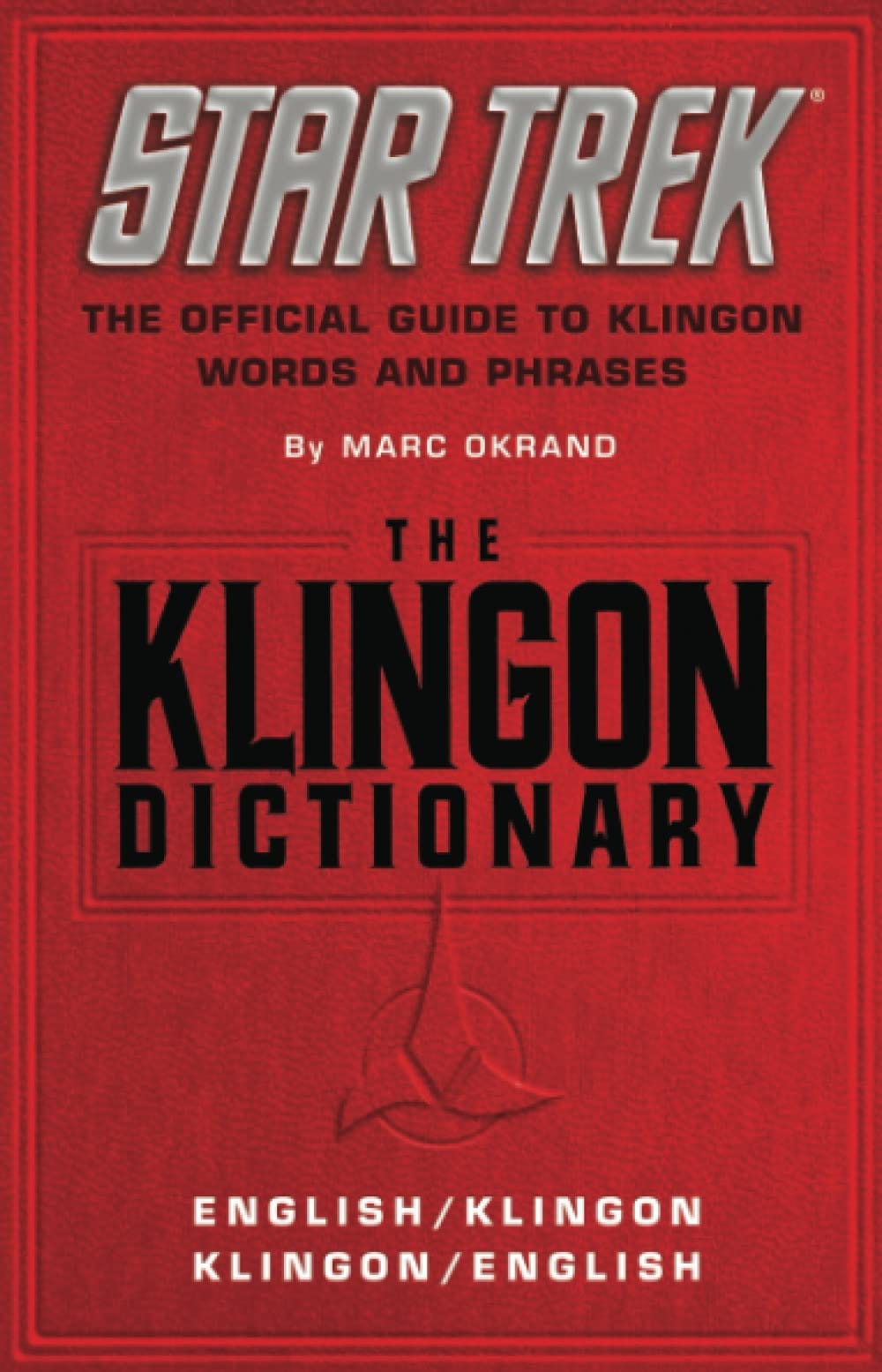
Klingon in Star Trek: Created by linguist Marc Okrand for the Star Trek films, the Klingon language was intentionally designed to sound harsh, guttural, and alien, reflecting the aggressive and warrior-oriented Klingon culture. Okrand drew on sounds uncommon in most human languages, including consonants produced far back in the throat and an unusual phonetic inventory that makes it instantly recognizable. The grammar is also deliberately unconventional: Klingon typically uses Object–Verb–Subject (OVS) word order, which is extremely rare among natural languages, further emphasizing its alien character.
Klingon has grown beyond the screen into one of the most fully developed constructed languages in popular culture. Fans can study it using the Klingon Dictionary (first published in 1985), as well as through online courses, apps, and translation tools.
I will have to get my own copy of this book.
Source: https://www.frathwiki.com/Klingon

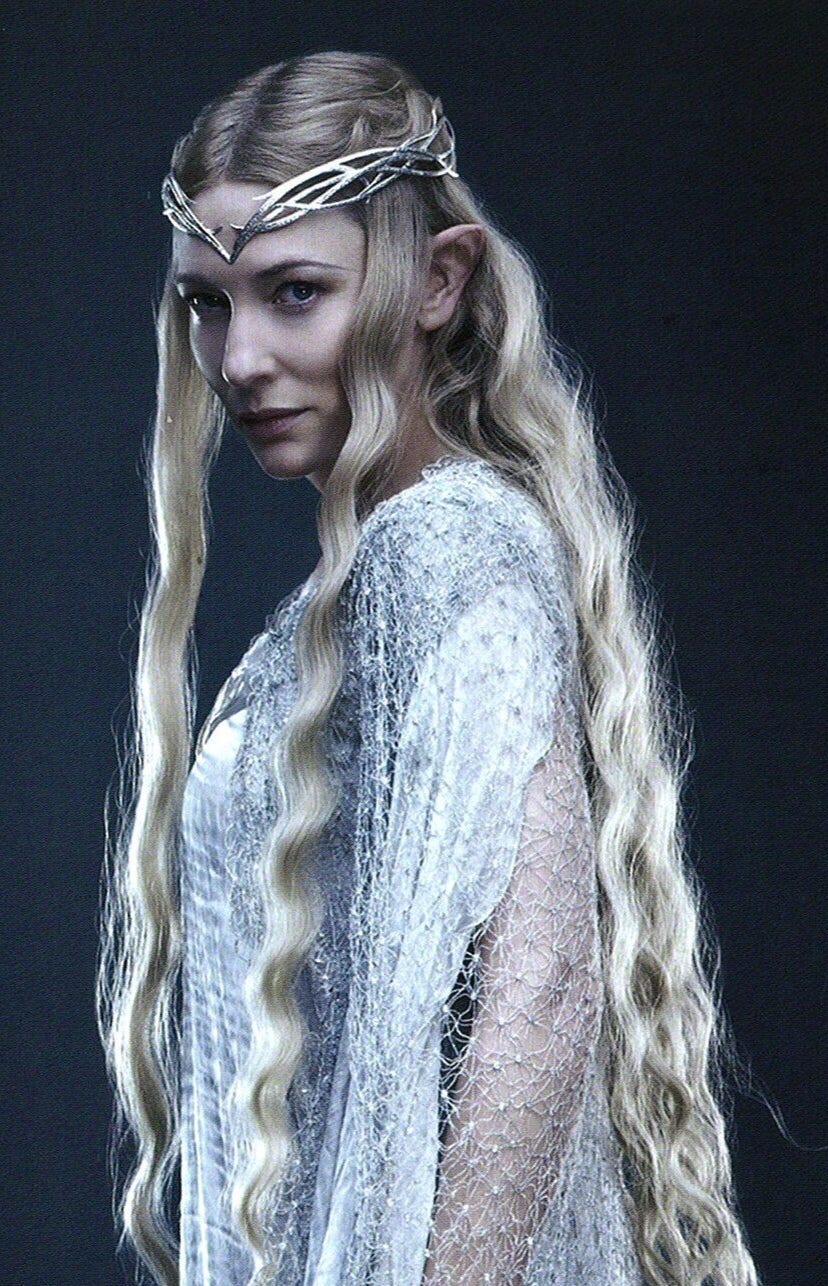
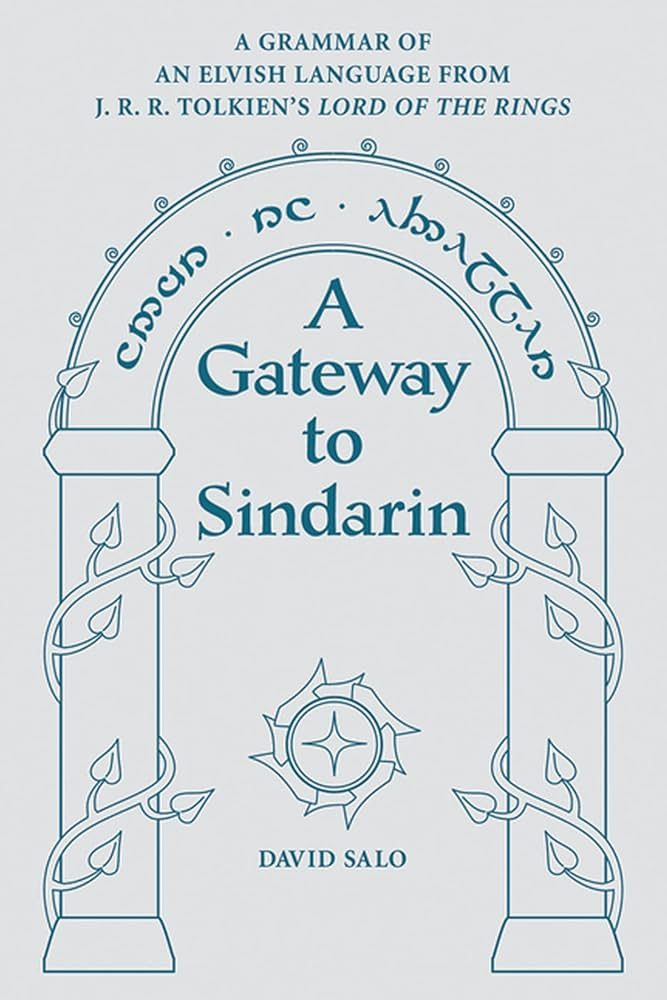
Elvish in The Lord of the Rings: J.R.R. Tolkien, an Oxford professor, created several Elvish languages as part of his larger Middle-earth legendarium. The two most fully developed are Quenya, often referred to as High Elvish or the language of lore, and Sindarin, the more commonly spoken tongue of the Elves during the events of The Lord of the Rings. Both languages feature detailed grammar, extensive vocabulary, and consistent sound patterns, making them functional rather than purely decorative. Tolkien drew inspiration from real-world languages, particularly Finnish for Quenya and Welsh for Sindarin, while infusing them with his own linguistic creativity.
Source: https://en.wikipedia.org/wiki/The_Etymologies_%28Tolkien%29?utm
Dothraki in Game of Thrones: The Dothraki language was developed by linguist David J. Peterson specifically for the television adaptation of George R. R. Martin’s A Song of Ice and Fire. Drawing on Martin’s original few Dothraki words and phrases in the novels, Peterson expanded them into a fully functional constructed language with a consistent grammar, vocabulary, and phonetic system. The language was deliberately designed to sound both exotic and harsh, with guttural consonants and flowing intonation that reflect the nomadic, warrior culture of the Dothraki people. Its phonology incorporates influences from languages such as Arabic, Spanish, Swahili, and Russian, while maintaining a unique rhythm and identity. With over 3,000 words and complex grammatical structures, Dothraki is a full language, used extensively by actors in the series to add authenticity and cultural depth to the Dothraki tribes.
Source: https://www.wired.com/2011/04/interview-creating-language-for-hbos-game-of-thrones-geekdad-wayback-machine/
Examples from my Books:
Shalvasan: created by Novaheart, inspired by Klingon and Parseltongue. Words have hard K sounds and soft S’s to mimic what I believe a Lizard language would sound like.
Kosseth: created by Novaheart, origin language of Shalvasan still spoken by the Kazaki. The language uses shorter words but uses the hard K and soft S’s
Kosseth Dictionary (so far)
Ak – I
Aken – Mine
Dratak – Drank
Draet – Drinks / is drinking
Draess – Will drink
Dratok – Took
Dratakess – Will take
Ka – In / On / At
Ka’tok – Who
Kara – Do, act, perform
Karak – Red
Kariss – Power, strength
Karrit – Strong
Karrak – Shield, final barrier
Karrakess – Will shield
Kat – Rock
Katss – Rocks
Kassak – Chalice
Kassar – To make peace, reconcile
Kassara – Peace
Kassark – Peacemaker
Kess – Knowledge, wisdom
Kesra – Wise
Kissar – Friend, ally
Kosseth – Beauty
Krak – Fire
Krakat – Burning
Kraken – Flame
Krakess – Will burn
Kras – War, battle
Krash – War hero, warrior
Krenn – Finality, end
Krennen – His
La – With / By
Laset – See
Lasess – Will see
Lesseet – Need
Lessek – Needed
Nak – He / She / It
Naken – His
Nekarak – No shield
Nekrak – Extinguished fire
Rass – River
Rassak – Riverbank, shore
Rasset – Flow, current
Rassss – Rivers
Sarakel – Mother
Sarre – Life
Se – To / Toward
Sek – You
Sekk – You (formal)
Sekara – Come, approach
Sekas – You come
Skal – Dark
Skalrak – Darkness
Sikkar – Blade, sword
Sikrass – Sword fight
So – From
Sorra – Beautiful
Sorrak – Beauty, admired form
Tar – Speak, talk
Tarak – Word
Taret – Speaks
Taretess – Will speak
Tass – Much, many
Tassak – Victory, triumph
Tassk – Too much
Tassrak – Defeat, loss
Tat – Small
Tir – Path, journey
Tirak – Pathway, road, direction
Tirass – Path of sight, pathway of vision
Tirask – To see a path / navigate
Tiriss – Eyes (from "tir" = path)
Tirr – Guide, leader
Tirrik – Light
Tiskar – Unknown, mystery
Zakar – Soul
Zekar – Heart
How to create your own language?:
Step 1: Start with a Root Concept
Decide what the word is about — an object, action, feeling, or idea. Keep it simple and strong.
Step 2: Decide the Part of Speech
Noun → something you can see, touch, or conceptually name
Verb → an action
Adjective → describes a noun
Adverb → modifies a verb
Pronoun → refers to someone or something
This will influence what suffixes or prefixes you use.
Step 3: Add Suffixes or Prefixes
Suffix / Prefix Meaning / Use Example in Kosseth
-ak / -at Past tense Dratak → drank
-et Present tense Draet → drinks
-ess Future tense Draess → will drink
4. Keep Grammar and Tense Consistent example Kosseth
Past tense: -ak or -at
Present tense: root alone or -et
Future tense: -ess
Step 5: Compound Words for Complex Ideas
Combine two roots to form a new concept.
Example:
Tir – Path, journey (root word)
Tiriss – Eyes (root word)
Tir + -ask → Tirask → to see a path
Lets make a new Kosseth word using what we have learned:
Step 6: Check Consistency
Make sure your new word follows similar rules to existing words (tense, plural, possessive).
Let’s create a new verb root “Krath” (to cut), then the forms would be:
Krathak → cut (past)
Krathet → cuts/is cutting (present)
Krathess → will cut (future)
Are you enjoying Folklore Fridays? Any tips are greatly appreciated and help me continue to create and share more content like this. Thank you so much for your generosity and encouragement! 🙏❤️

Final Thoughts
This process may seem daunting at first, but if you follow these steps, you can start by creating just a few words and gradually expand your dictionary over time. My Kosseth language is still very underdeveloped, but I have a handful of basic words. Whenever I need a new word, I follow a simple process and then add it to a dictionary document I keep on my laptop.
Before Kosseth, I created the Shalvasan language, though at that time I hadn’t studied proper language construction techniques. I relied heavily on English suffixes and prefixes because that was all I knew. For example, in Shalvasan, I formed words like Ka’nar (city) and Ka’narian (inhabitant of Ka’nar), or Krassnash and Krassnashing for “fuck” and “fucking.” Shalvasan eventually developed out of Kosseth, which allows for some differences and evolution between the two languages.
When I created the Kazaki people, I wanted them to have a distinct presence, and one of the most powerful ways to achieve that was through a unique language. So I studied linguistics and language creation more intentionally.
I hope this guide is helpful to you in creating your own language, whether you want to dive in deeply or simply invent a few key words. The best place to start is by deciding how you want your language to sound; everything else can grow from there.
✨ Only One More Folklore Friday Left! ✨
I can't believe we're almost at the end of the Folklore Friday series. It's been such an amazing journey, and I hope you've been enjoying every twist and turn! But don’t worry, there's still time to dive into the magic, mystery, and adventure that these stories hold.
If you haven’t yet explored my books, now's the perfect time! You can grab your copies through these links:
🔗 Check out the full series on Substack
📚 Or head over to Amazon to grab your favorites:
Red Fall Rising
The Crown of Ashes Blood I & II
Thank you so much for your support and encouragement, they mean the world to me! ❤️
It's cool that the citation form of the verb is the past. That reminds me of Salish, which I've been staring at recently.
What's the relationship between dratak "drank" and dratok "took"? Dratok looks like a derivative of dratak. It looks like dratak is irregular, but dratok has been regularized: where the future of dratak seems to break down as "dra-ess" (ROOT-ess), the future of dratok seems to break down as "dratak-ess" (STEM-ess). Maybe the way you nominalize a verb is to change its second vowel (with a stress shift?), so 'dratak (stress on the first syllable) became dra'tok ("a drink"). That was then turned into a new verb 'dratok (with the stress back on the first syllable but the second vowel left as O to dissimilate it from the verb "drank"), meaning "had a drink, took medicine."
Thus the paradigms:
TO DRINK
Dra-tak: past (citation)
Dra-et: present
Dra-ess: future
TO TAKE
Dratok(-tak): past (citation)
Dratak-et: present
Dratak-ess: future
Is that what you were thinking?
This is one of my fictional race posts I promised you, the Taz'aran glossary entry.
https://theblackknight.substack.com/p/tazarans