

Greetings, Fellow Adventurers,
It’s another Folklore Friday!
As you know every Friday, we’ll embark on a journey through ancient tales, hidden myths, and mysterious legends that make up the fantasy worlds. Folklore Fridays will dive into the stories that shape the heart of our epic adventures.
So grab your sword, light your lantern, and prepare to journey into realms of fantasy and lore. Who knows what we’ll uncover?
Feeling generous? ✨Want to support my work? ✨Consider donating a coffee to keep me energized and the creativity flowing.
Your contribution is greatly appreciated. 🙏
THIS WEEK: VILLAINS
Villains aren’t just evil for the sake of being evil. You need to give them motivations, backgrounds, and reasons for their actions, which can make them more compelling.
Villains are one of the most intriguing elements in storytelling. The best villains are multifaceted characters who go beyond being "evil for evil's sake." Here are some types of villains commonly found in fantasy along with a few characteristics, motivations, and how they can challenge your protagonists.
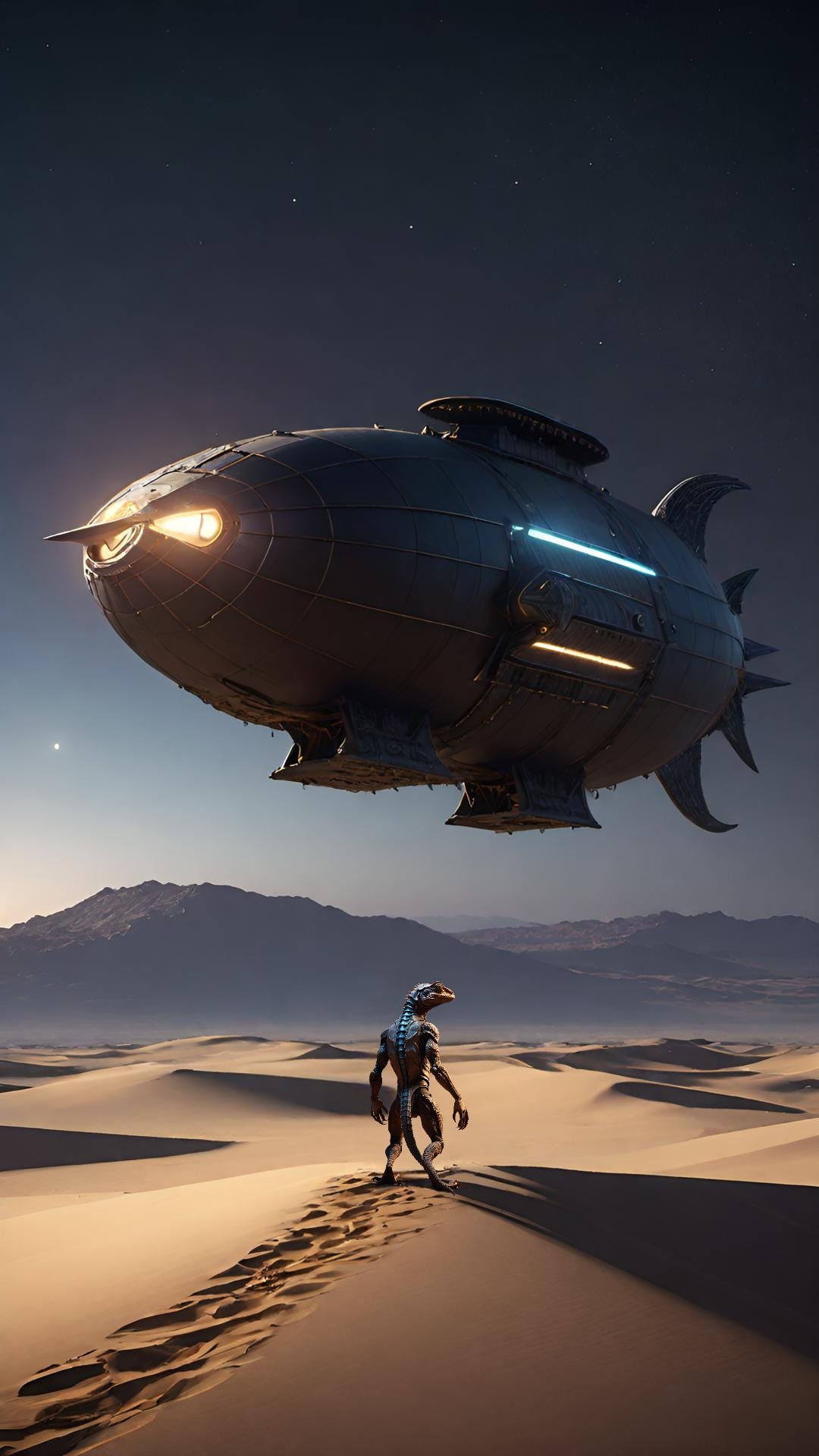
Image: Specter. From my series The Crown of Ashes and Blood. Would fall under Tyrant/Psychopath Villain. We love to hate him. No redeemable qualities, just pure evil.
TYPES OF VILLAINS
1. The Tyrant or Authoritarian Villain
They are motivated by power, control, and the desire to impose their will on the world. These villains are often cold and manipulative. They may have the resources to enforce their will, such as an army, political power, or vast wealth. Some possible flaws are paranoia, a hunger for absolute control, or an inability to see beyond their own vision.
Some notable Tyrants are: Saruman from The Lord of the Rings, Emperor Palpatine from Star Wars.
When dealing with a tyrant your protagonist often has to fight for freedom or to overthrow an unjust system.
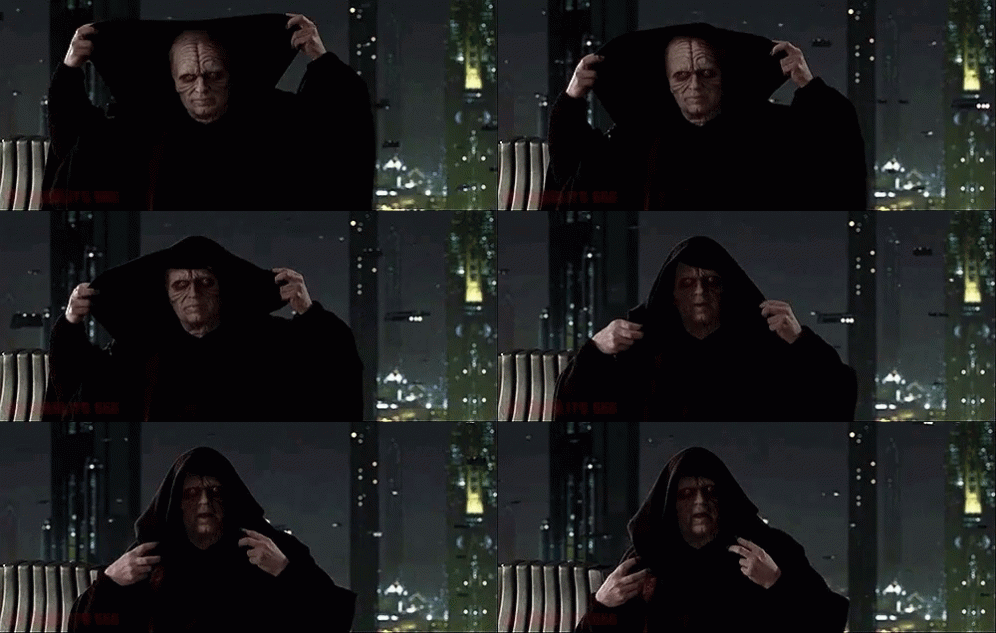
Image: Emperor Palpatine
2. The Intellectual Villain or Mad Genuis
They are motivated by knowledge, discovery, or a belief that their genius or plans will “save” the world. (even if it means destruction) These villains are highly intelligent but disconnected from moral boundaries. Their brilliance often makes them seem unsettling or terrifying. Some possible flaws are an obsession with their ideas, ego, overconfidence, or an inability to see the human cost of their actions.
Some notable Intellectual villains are Doctor Octopus from Spider-Man, or Walter White from Breaking Bad.
When your protagonist is dealing with these villains, they are often unpredictable and not easily defeated because their intellect lets them plan well ahead. So your protagonist has to be a step further or pull out some tricks.
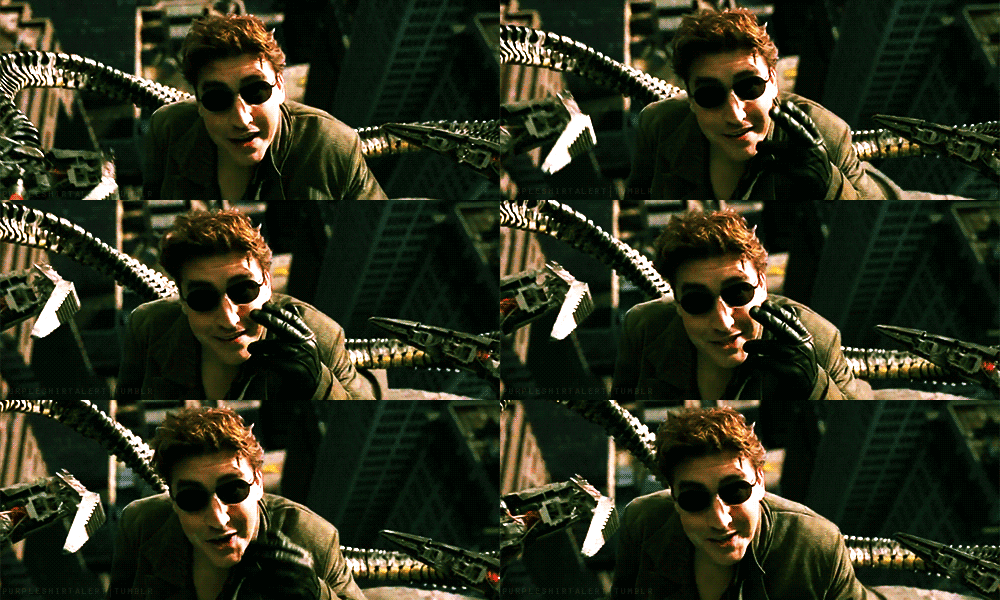
Image: Doctor Octopus
3. The Tragic Villain or Fallen Hero
These villains were once noble or heroic, and they are corrupted by circumstances, personal failures, or tragic events. These villains were once good but suffered a traumatic event or series of events that pushed them toward evil. Their fall from grace is often a central theme. Some possible flaws are guilt, vengeance, broken ideals, a desire to “save” the world by any means necessary, or a thirst for power to undo past wrongs.
A notable Tragic Villain is Anakin Skywalker/Darth Vader from Star Wars
Your protagonist often has an emotional connection to this type of villain, which makes their downfall even more tragic. The challenge here is sometimes to redeem them or decide whether they can be redeemed.

Image: Anakin Skywalker
4. The Psychopath Villain
These villains might be driven by chaos, personal gain, or the sheer pleasure of destruction. They do not feel remorse for their actions and typically lack empathy. They are emotionally detached and very manipulative. These villains have no issue using others for their own benefit or amusement. Some possible flaws overconfidence, boredom, and an eventual underestimation of the protagonist.
Some notable Psychopath Villains are the Joker (in The Dark Knight), or Hannibal Lecter from Silence of the Lambs.
When your protagonist faces a villain who is unpredictable, utterly ruthless, and has no moral compass. Defeating them is a challenge not just of their strength, but of psychological endurance.
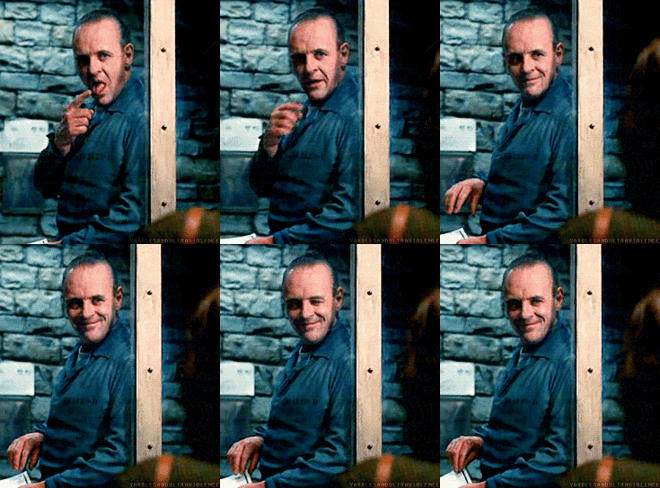
Image: Hannibal Lecter
5. The Mysterious Villain
These villains motivations are often hidden or complex, and they are not immediately clear to either the protagonist or your reader. These villains operate in the shadows, often manipulating events from afar or using agents to do their bidding. Their true purpose or motives are not revealed until later in the story. Some possible flaws are an obsession with secrecy, arrogance in their ability to control others, or underestimating the protagonist.
Some notable Mysterious Villains are Sauron from The Lord of the Rings, or The Master from Doctor Who.
Your protagonist might not even know who the villain is for much of the story, and only later do the pieces fall together. This creates a sense of mystery and tension.
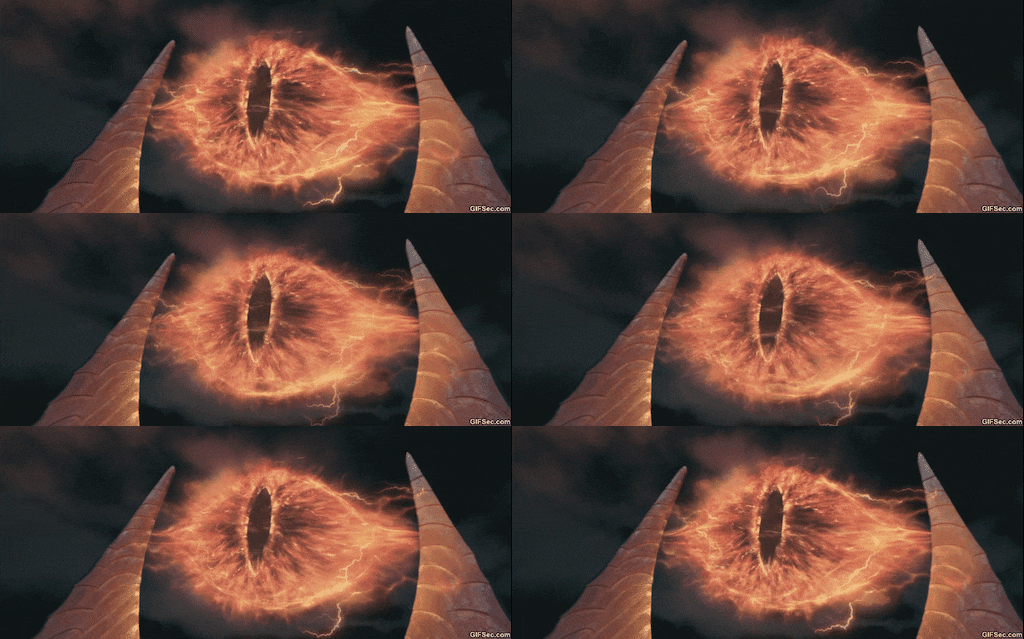
Image: Sauron
6. The Nihilist Villain
A Nihilist villain has a belief in nothingness or chaos. This villain seeks to destroy the world because they see no value in it. Often a nihilist villain has a deep sense of despair or hatred for the world, believing that destruction is the only solution. These villains seek to unravel the fabric of reality itself or bring about its end. A flaw to a Nihilist Villain is a fundamental misunderstanding of life’s value, or an irreparable loss that drives them to despair.
Some notable Nihilist Villains are Thanos (Infinity War), Voldemort in Harry Potter
Your protagonist must fight against an overwhelming sense of hopelessness, a tough villain to beat, but not impossible.
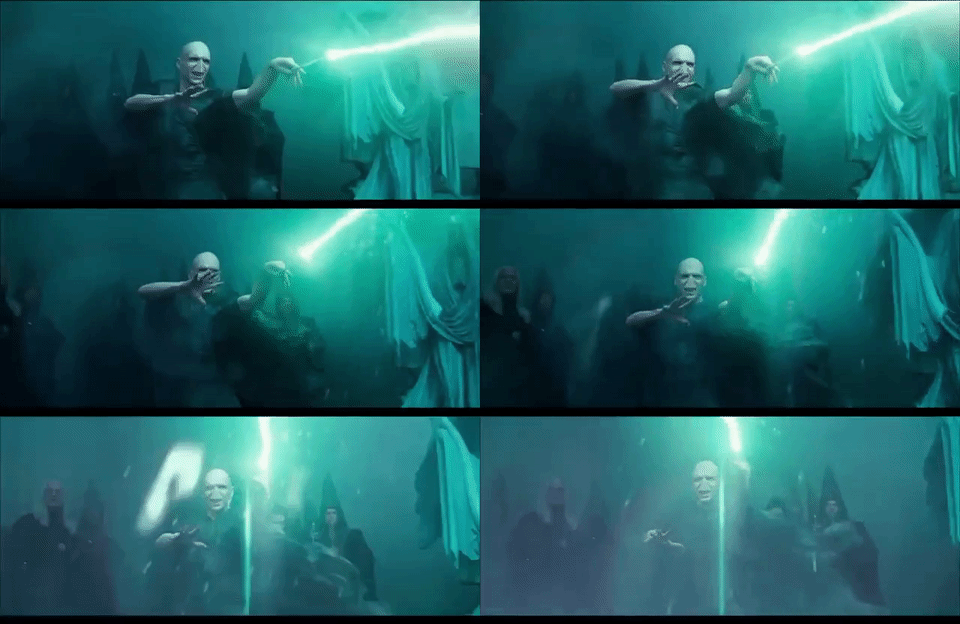
Image: Voldemort
Are you enjoying Folklore Fridays? Any tips are greatly appreciated and help me continue to create and share more content like this. Thank you so much for your generosity and encouragement! 🙏❤️

We have explored types of villains but what are some of the things we need to consider when crafting one ourselves? Let’s explore some questions we need to answer to build our villain.
HOW TO BUILD A VILLAIN:
Motivation: What drives them? are they Sympathetic or purely evil? Is their motivation tied to their own personal journey or loss?
Origin Story: Where does the villain come from? Were they once good? Did they fall from grace, or were they always destined to be evil? Did a past event shape their worldview or actions?
Abilities: Does your villain use magic or supernatural powers? Do they control dark magic, ancient creatures, or forbidden knowledge? Do they have immense physical strength? How do they use these abilities in pursuit of their goals? Are they unbeatable, or do they have weaknesses? Do they possess incredible intellect?
Personality: Are they arrogant? Are they charismatic? How does your villain influence others? Do they have a cult-like following, or are they a solitary figure? Do they have a twisted sense of humor or are they deadly serious?
Morality (if any): Do they have their own code of ethics? Does the villain justify their actions with a "greater good" mentality? Do they believe the destruction they cause is necessary for a better world? Is there a good person buried underneath? Are they redeemable?
Relationships: Do they have allies or minions? Are their relationships manipulative or based on loyalty? Does the villain have other enemies? Is there someone with a comparable power level or ideology? What makes your villain so threatening to your protagonist? Is it personal? Do they have history together, or does the villain represent everything the hero opposes?
Vulnerabilities: What are their weaknesses, both physical and emotional? How does this flaw manifest, and how can it be exploited?
Appearance: How does their visual presence reflect their personality and goals? How does your villain physically impact the world? Do people cower when they approach, or is their presence subtle yet lethal?
Final Thoughts
Villains are just as important as the heroes they oppose. The best ones challenge your protagonist in ways that make the conflict feel personal, moral, and complex. How they’re motivated and why they do what they do can shape the tone and impact of the entire story.
BONUS MATERIAL ✨
Feel free to copy and paste the list below to create your own unique villain. Then see what category they fall into: Tyrant, Mad Genuis, Fallen Hero, Psychopath, Mysterious, or Nihilist.
VILLAIN BUILDING CHECKLIST✅
1. Motivation
What drives the villain?
Are they sympathetic or purely evil?
Is their motivation tied to their personal journey or loss?
2. Origin Story
Where does the villain come from?
Were they once good? Did they fall from grace or always destined to be evil?
Did a past event shape their worldview or actions?
3. Abilities
Do they use magic or supernatural powers?
Do they control dark magic, ancient creatures, or forbidden knowledge?
Do they possess immense physical strength?
How do they use their abilities in pursuit of their goals?
Are they unbeatable or do they have weaknesses?
Do they possess incredible intellect?
4. Personality
Are they arrogant or humble?
Are they charismatic? How do they influence others?
Do they have a cult-like following or are they solitary?
Do they have a twisted sense of humor or are they deadly serious?
5. Morality (if any)
Do they have their own code of ethics?
Do they justify their actions with a "greater good" mentality?
Do they believe the destruction they cause is necessary for a better world?
Is there a good person buried underneath?
Are they redeemable?
6. Relationships
Do they have allies or minions?
Are their relationships manipulative or based on loyalty?
Do they have rivals or enemies with comparable power or ideology?
What makes the villain threatening to the protagonist? Is it personal?
Do they have history with the hero, or represent everything the hero opposes?
7. Vulnerabilities
What are their physical weaknesses?
What are their emotional vulnerabilities?
How do these flaws manifest?
How can these weaknesses be exploited?
8. Appearance
How does the villain’s visual presence reflect their personality and goals?
How does their appearance affect the world around them?
Do people cower when they approach, or is their presence subtle but lethal?